Ultimate Guide To Bird Traps: Types, Techniques, And Best Practices - Discovering The Legacy Of Miner Family Winery: A Journey Through Quality And Tradition Free Coins For Hit It Rich: Unlocking The Secrets To Maximize Your Gaming Experience
Discovering The Legacy Of Miner Family Winery: A Journey Through Quality And Tradition
Bird traps are essential tools for wildlife management, conservation, and even agricultural practices. Understanding the various types of bird traps and their applications can help you effectively manage bird populations and protect crops or gardens. In this comprehensive guide, we will explore the different kinds of bird traps, their mechanisms, ethical considerations, and best practices for safe and effective trapping. Whether you are a bird enthusiast, a farmer, or just curious about bird trapping, this article will provide you with valuable insights.
Bird traps come in various types, each designed for specific purposes and bird species. Understanding the different types of bird traps is crucial for effective trapping. Here are some of the most common types:
Effective trapping requires knowledge of bird behavior and the environment. Here are some essential techniques to improve your trapping success:
Live traps are designed to capture birds without causing them harm. These traps are often used for research, bird banding, or relocation purposes. They typically consist of a bait compartment that entices the bird inside, where it is securely confined without injury.
For more information on wildlife management and bird conservation, consider exploring other articles on our site, and don’t forget to share this guide with fellow bird enthusiasts!
Before engaging in bird trapping, it's essential to understand the ethical implications and legal regulations governing such activities. Many regions have strict laws about trapping certain bird species, especially those that are endangered or protected.
Bird trapping is not just about catching birds; it's about understanding their behavior and ecology. By learning the correct techniques, you can ensure that your trapping methods are humane and effective. From live traps to netting, each method has its own set of advantages and disadvantages. This guide will help you navigate through these options to find the best solution for your needs.
West Palm Service Plaza: Your Ultimate Guide To Convenience And Amenities
Yakoda Supply: Your Ultimate Guide To Quality Supplies For Every Business Need
P Diddy’s Surprising Foray Into Country Music: A Journey Of Genre Fusion
The Complexities And Insights Of P Diddy Crops Pictures
Cage traps are robust structures that can hold birds safely until they are released. These traps can be used for both small and large birds, making them versatile tools for wildlife management.
Bird traps are valuable tools for wildlife management, research, and conservation efforts. By understanding the different types of traps, their mechanisms, and ethical considerations, you can effectively and responsibly manage bird populations. Remember to always stay informed about local regulations and prioritize humane trapping practices. If you have any questions or experiences to share about bird trapping, feel free to leave a comment below!

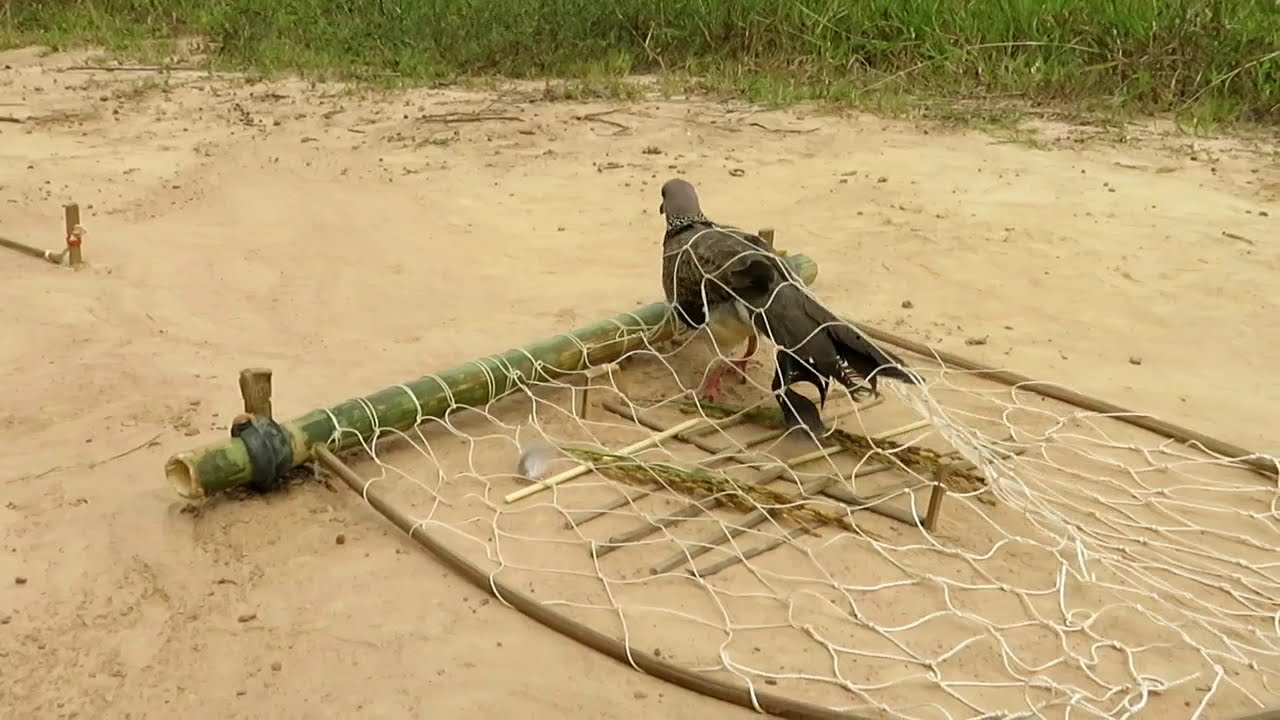
Net traps are commonly used for capturing larger birds or multiple birds at once. They utilize a netting material, which may be triggered by a mechanism or manually set. When birds fly into the net, they become entangled, allowing for easy collection.
